
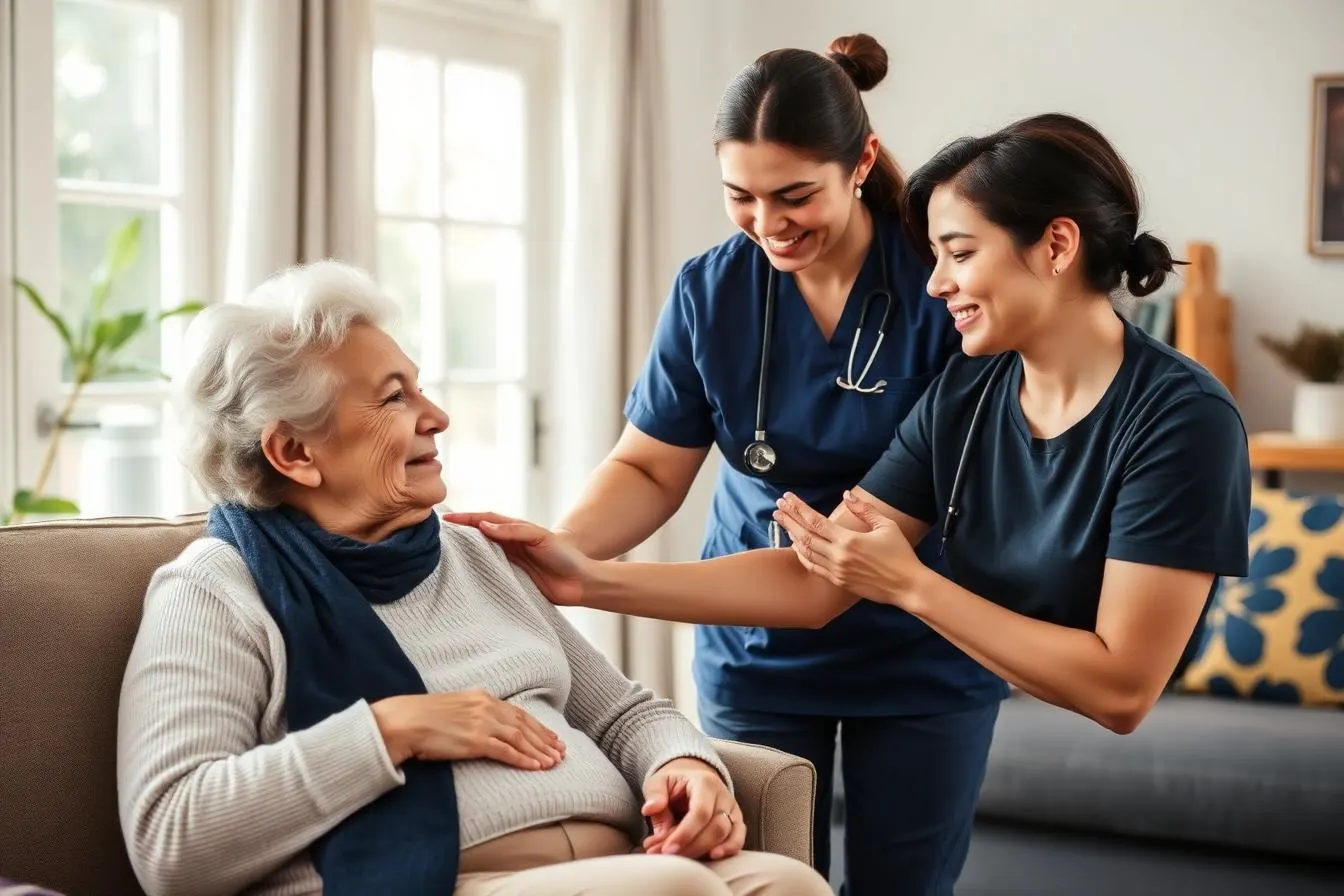
Personal Care vs Supportive Home Care
Both keep your loved one at home. One is hands-on help with the body; the other is help around the home and community. Here is exactly how Wisconsin defines them, who pays, and how to choose.
Request a free eligibility review
Tell us about your situation and a care specialist will check eligibility for you — usually within 1 business day.
Private &
Confidential
Personal care (PCS)
Hands-on assistance with activities of daily living — bathing, dressing, toileting, transfers, and feeding — delivered by a trained Personal Care Worker under registered nurse supervision. In Wisconsin it requires a physician's order and is billed to Medicaid as a State Plan benefit.
Best when: your loved one cannot safely manage their own body care.
Supportive home care (SHC)
Help with instrumental activities of daily living — meals, light housekeeping, laundry, shopping, errands, escorting to appointments, and companionship or supervision. It is usually funded through Family Care, Partnership, or IRIS rather than a physician's order.
Best when: your loved one is physically capable but unsafe or overwhelmed alone.
Side-by-side comparison
What each service typically covers in Wisconsin. Many families receive both, in the same visit, from the same caregiver.
| Task | Personal care | Supportive home care |
|---|---|---|
| Bathing, showering, and grooming | ||
| Dressing and undressing | ||
| Toileting and incontinence care | ||
| Transfers, walking, and repositioning | ||
| Feeding assistance | ||
| Medication reminders | ||
| Meal preparation | ||
| Light housekeeping and laundry | ||
| Grocery shopping and errands | ||
| Companionship and supervision | ||
| Escort to appointments | ||
| Nurse supervision and care plan |
Authorized tasks and hours are set by your care plan and the Wisconsin Medicaid functional screen. Avida confirms yours before care begins.
Common questions
What is the difference between personal care and supportive home care in Wisconsin?+
Personal care (Medicaid Personal Care Services, often provided by a Personal Care Worker or PCW) is hands-on help with the body: bathing, dressing, toileting, transfers, and feeding. It requires a physician's order and is supervised by a registered nurse. Supportive home care is help around the home and community: meals, housekeeping, laundry, errands, companionship, and supervision. It does not require a nurse-supervised care plan.
Which one does my loved one need?+
If they need someone's hands on them to stay safe — getting out of bed, into the shower, or to the bathroom — that is personal care. If they are physically able but unsafe alone, forget meals or medications, or cannot keep up the house, that is supportive home care. Many Avida clients receive both.
Does Wisconsin Medicaid pay for both?+
Yes, through different routes. Personal care is a Medicaid State Plan benefit billed through ForwardHealth with a physician's order. Supportive home care is typically funded through long-term care programs such as Family Care, Partnership, or IRIS. The ADRC functional screen determines which hours are authorized.
Can a family member be paid for either one?+
Yes. Avida can hire, train, and pay a qualifying family member to provide personal care and/or supportive home care, often up to about $2,000 per month depending on authorized hours. Spouses and legal guardians of adults have restrictions — call us and we will check your situation.
Is a Personal Care Worker the same as a CNA or home health aide?+
Not exactly. A PCW is trained and competency-tested by the agency under nurse supervision and does not need a CNA certificate in Wisconsin. A CNA has state certification, and a home health aide typically works under a skilled home health plan of care. Avida trains and certifies PCWs at no cost to you.
Do you need a doctor's order for supportive home care?+
No. A physician's order is required for Medicaid personal care services, but supportive home care is authorized through your long-term care program's care plan rather than a physician's order.
Ready to talk? Call or text us today.
Our team is fluent in English and Spanish, with many other languages supported through a translation partner.