
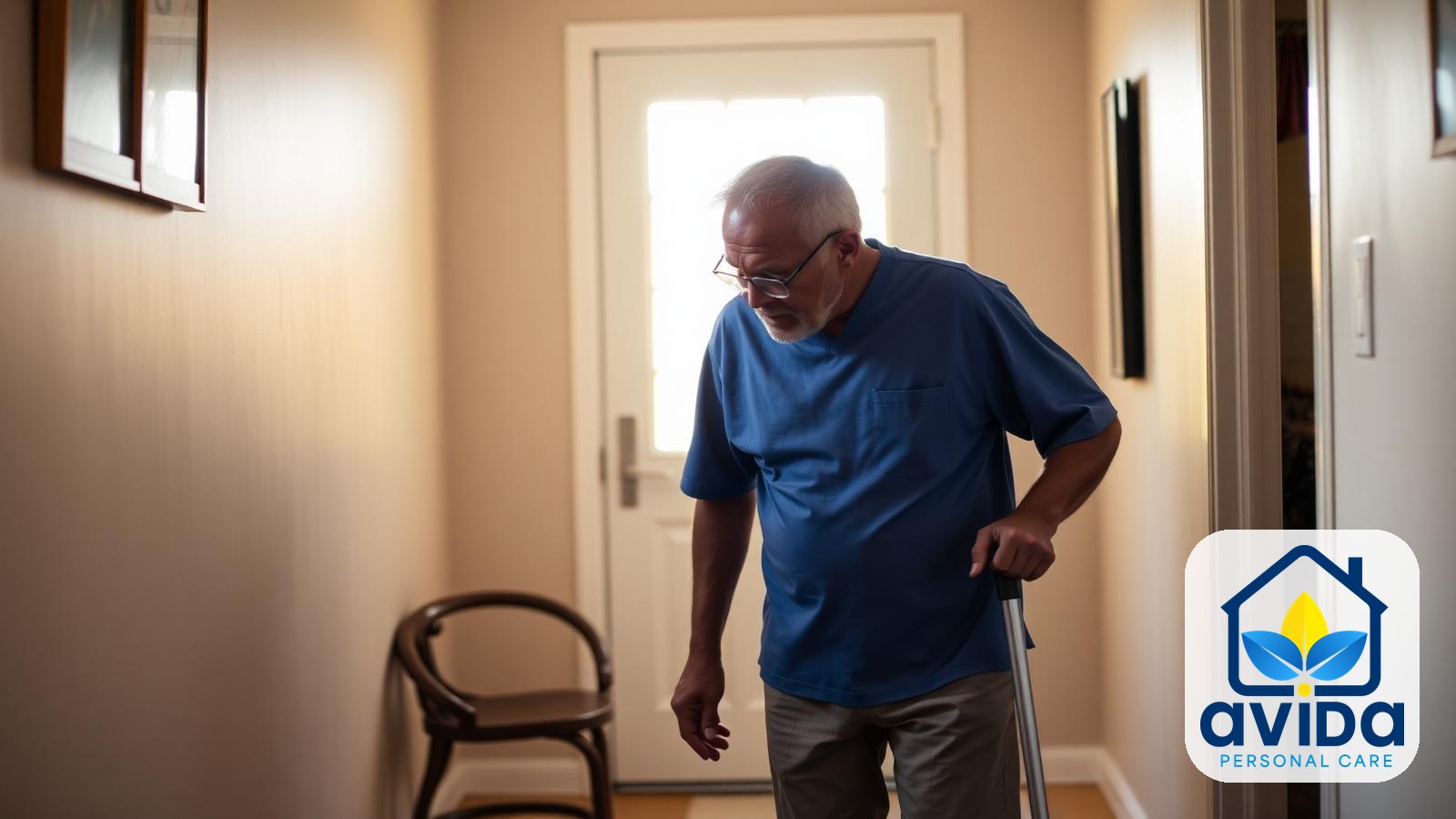
Winter is the hardest season for older adults living at home in Wisconsin. Ice on the walk, darkness at 4:30 p.m., dry indoor air, and the risk of a furnace failing during a cold snap all stack up at once. A few hours of preparation in the fall prevents most of the emergencies we see between December and March.
Outside the home
Line up snow and ice removal before the first storm, not after — many Milwaukee-area services fill their routes by November. Replace worn stair treads and make sure handrails on both sides of every outdoor step are solid. Keep a bucket of ice melt inside the door, at waist height so nobody has to bend or lift a heavy bag. Check that the porch light works and that the house number is visible from the street for emergency responders.
Heat and safety systems
Have the furnace serviced in the fall and change filters monthly through the season. Test every smoke and carbon monoxide detector and replace batteries — furnace season is when CO risk peaks. If your parent uses space heaters, confirm they have automatic tip-over shutoff, sit on a hard surface, and are three feet from bedding, curtains, and upholstery. Never let an extension cord power one.
Falls and footing indoors
Most winter falls we hear about happen inside, in the first few steps through the door with wet shoes. Put a firm, non-slip mat inside the entry, and keep a chair there so your loved one can sit to take off boots. Remove throw rugs from paths between the bedroom, bathroom, and kitchen. Add night lights along the route to the bathroom — the sun sets before dinner from November through February.
Power outages and cold snaps
Assemble a simple kit: flashlights with fresh batteries, a battery radio, blankets, bottled water, a few days of shelf-stable food, and a phone charging block. Write out an emergency contact list in large print and tape it by the phone. Decide in advance where your parent will go if the heat fails for more than a few hours, and make sure a neighbor has a key and your phone number.
Medication, food, and appointments
Ask the pharmacy about 90-day fills or delivery so a snowstorm never means a missed dose. Stock two weeks of easy meals. Move non-urgent appointments out of deep-winter weeks when you can, and arrange transportation ahead of time rather than driving on ice yourself.
Isolation is the hidden winter risk
Shorter days and fewer visitors take a real toll. A regular caregiver visit does more than housekeeping — it means someone lays eyes on your parent several times a week, notices a cough or a new bruise, and keeps them talking to another human being. Read more in Fighting Loneliness and Isolation in Older Adults.
When to add help
If shoveling, stair climbing, or getting to appointments has become genuinely unsafe, winter is the right time to add a few caregiver hours. Wisconsin Medicaid may cover it entirely, and a family member can often be the paid caregiver — see Does Medicaid Pay for Home Care in Wisconsin? or what home care costs. Call Avida at (414) 348-4600 or start a free eligibility check. Our related checklist Home Modifications That Make Aging in Place Possible covers year-round safety upgrades.